Welcoming a new baby into your family is an exciting experience, but it also comes with significant responsibilities. While parents often focus on preparing the nursery, purchasing baby essentials, and attending pediatric appointments, one of the most valuable investments they can make is learning infant CPR. In a medical emergency, the actions taken during the first few minutes can make a meaningful difference before emergency medical services (EMS) arrive.
For families in Salt Lake City, infant CPR training provides the practical skills and confidence needed to respond to choking, breathing emergencies, drowning incidents, and sudden cardiac arrest. Whether you’re a first-time parent, expecting a baby, or caring for an infant, understanding how to perform CPR can help you act quickly when every second counts.
In this blog, you’ll learn what infant CPR is, why it’s an essential skill for new parents, how CPR training prepares you to respond to choking and other infant emergencies, what you’ll learn during an infant CPR course, and how to choose the right infant CPR training program in Salt Lake City.
What Is Infant CPR?
Infant CPR (Cardiopulmonary Resuscitation) is an emergency life-saving technique used when a baby under one year of age stops breathing or their heart stops beating. Because infants have smaller bodies, delicate bones, and developing respiratory systems, the CPR techniques used for babies differ significantly from those used for children and adults.
An infant CPR course typically teaches participants how to:
- Recognize the signs of a life-threatening emergency
- Check an infant’s responsiveness and breathing
- Perform high-quality chest compressions
- Deliver effective rescue breaths
- Relieve choking using infant-specific techniques
- Activate emergency medical services (EMS)
- Use an Automated External Defibrillator (AED) when appropriate
These skills are designed to provide immediate care until professional medical responders arrive.
Why Every New Parent Should Learn Infant CPR
Every parent hopes they will never face a medical emergency involving their child. However, accidents and unexpected health emergencies can happen at any time, making CPR training an essential part of caring for an infant.
Here are the reasons why every new parent should learn infant CPR:
Parents Are Usually the First Responders
Most infant emergencies happen at home, where parents or caregivers are the first people available to help. Knowing CPR allows you to begin life-saving care immediately instead of waiting for emergency responders.
Early CPR Can Save Lives
When an infant’s heart stops or breathing ceases, oxygen delivery to the brain decreases rapidly. Beginning CPR as soon as possible helps maintain blood circulation and oxygen flow to vital organs until advanced medical care arrives.
Emergencies Can Occur Without Warning
Infants may experience emergencies due to:
- Choking
- Drowning
- Suffocation
- Respiratory illnesses
- Allergic reactions
- Sudden cardiac arrest
- Trauma
Learning CPR prepares parents to respond confidently in these situations.
CPR Builds Confidence
Many new parents worry about what they would do during an emergency. Hands-on CPR training reduces panic by teaching parents exactly how to respond in high-pressure situations.
Infant Choking: One of the Most Common Emergencies
Choking is one of the most common medical emergencies affecting infants, particularly during the first year of life. Because babies naturally explore their surroundings by putting objects into their mouths and are still developing their chewing and swallowing abilities, they are at a higher risk of airway obstruction than older children and adults.
A blocked airway can quickly prevent oxygen from reaching the lungs and brain. Without immediate intervention, choking can become life-threatening within minutes. This is why every parent and caregiver should know how to recognize the signs of choking and respond appropriately.
Common Causes of Infant Choking
Infants can choke on a variety of objects and foods, including:
- Small pieces of food such as grapes, hot dogs, nuts, popcorn, or raw vegetables
- Hard candies and chewing gum
- Coins, buttons, batteries, and marbles
- Small toys or toy parts
- Balloons and plastic wrapping
- Bottle caps, pacifiers, or other household items
Keeping these items out of a baby’s reach and supervising them during feeding can significantly reduce the risk of choking.
Signs That an Infant Is Choking
Recognizing the symptoms of choking is critical for providing timely assistance. An infant who is choking may:
- Be unable to cry or make sounds
- Have difficulty breathing or stop breathing altogether
- Produce weak or silent coughing
- Turn blue or pale around the lips and face
- Show signs of distress or panic
- Become limp or unresponsive if the airway remains blocked
If an infant cannot cough, cry, or breathe normally, immediate action is required.
How Infant CPR Training Prepares Parents
An infant CPR course teaches parents and caregivers how to respond safely and effectively during a choking emergency. Through hands-on practice, participants learn how to:
- Recognize the difference between mild and severe choking
- Perform infant back blows and chest thrusts correctly
- Check whether the airway has been cleared
- Begin infant CPR if the baby becomes unresponsive
- Call 911 and coordinate with emergency medical services (EMS)
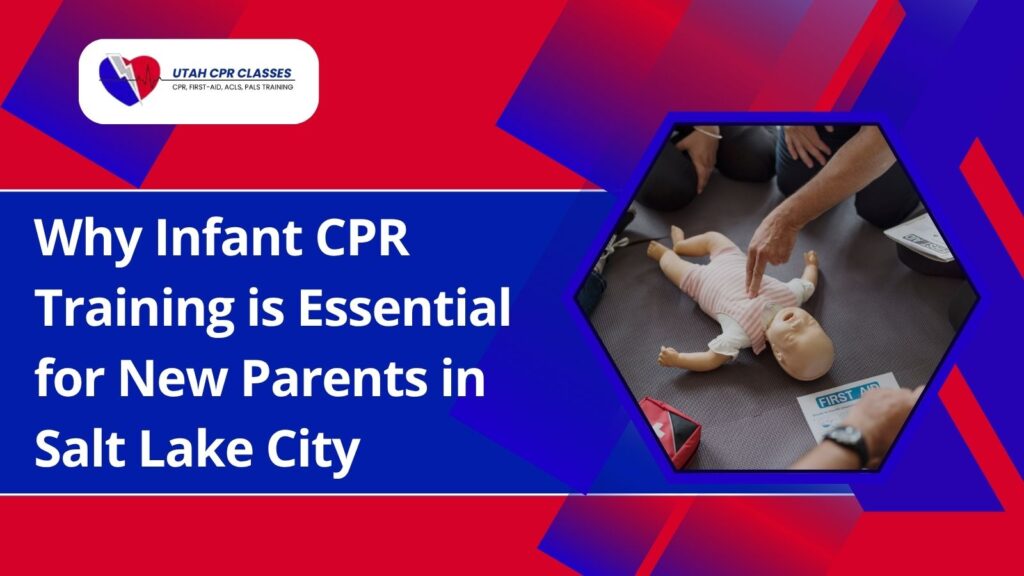
Practicing these techniques on infant manikins helps build confidence and muscle memory, making it easier to respond calmly in a real emergency.
Prevention Is Just as Important
While knowing how to respond is essential, preventing choking is the first line of defense. Parents can help protect their babies by:
- Offering age-appropriate foods cut into small pieces
- Avoiding foods known to be choking hazards for infants
- Supervising babies during every feeding
- Keeping small objects and toys out of reach
- Following pediatric feeding recommendations
Combining prevention strategies with infant CPR training ensures parents are better prepared to both reduce the risk of choking and respond effectively if an emergency occurs.
Why Infant CPR Training Is Especially Important in Salt Lake City
For families in Salt Lake City, infant CPR training is more than a valuable parenting skill; it’s an important part of being prepared for unexpected emergencies. Whether you’re at home, visiting a local park, enjoying outdoor activities, or traveling with your baby, knowing how to respond during a medical emergency can make all the difference before emergency responders arrive.
Here are some of the reasons why infant CPR training is especially important in Salt Lake City:
A Growing Community of Young Families
Salt Lake City is home to a growing population of young families and first-time parents. As more families settle in the area, the need for infant safety education and emergency preparedness continues to increase. Infant CPR training equips parents and caregivers with the knowledge and confidence to respond quickly if an emergency occurs.
Outdoor and Active Lifestyle
Salt Lake City offers easy access to parks, hiking trails, swimming pools, lakes, and other family-friendly outdoor destinations. While these activities create wonderful opportunities to spend time together, they can also present unexpected risks, including choking, drowning, falls, or breathing emergencies. Learning infant CPR helps parents feel more prepared wherever family adventures take them.
Every Minute Matters in an Emergency
Although Salt Lake City is served by experienced emergency medical professionals, response times can vary depending on factors such as traffic, weather conditions, or the location of the emergency. During a cardiac or respiratory emergency, the first few minutes are often the most critical. Parents who know infant CPR can begin lifesaving care immediately while waiting for emergency medical services to arrive.
Preparedness for Everyday Emergencies
Many infant emergencies occur in familiar places rather than in public settings. Choking during mealtime, accidental falls, allergic reactions, or breathing difficulties can happen at home, at daycare, or while visiting friends and family. Infant CPR training prepares parents to respond confidently, no matter where an emergency happens.
Supporting a Safer Community
When more parents, grandparents, babysitters, and caregivers are trained in infant CPR, the entire community benefits. CPR education encourages greater awareness of child safety, emergency preparedness, and accident prevention, helping create a safer environment for infants and young children throughout Salt Lake City.
Who Should Take Infant CPR Training?
Infant CPR training is recommended for anyone who regularly cares for a baby. Since emergencies like choking, breathing difficulties, and cardiac arrest can happen unexpectedly, having multiple caregivers trained in CPR helps ensure an infant receives immediate care before emergency medical services (EMS) arrive.
This training is especially beneficial for:
- Expecting and new parents who want to be prepared before bringing their baby home.
- Grandparents caring for grandchildren and looking to refresh their CPR knowledge.
- Babysitters and nannies who supervise infants independently.
- Childcare providers who care for babies in daycare or preschool settings.
- Foster and adoptive parents are preparing to welcome an infant into their family.
- Family members and regular caregivers who frequently look after a baby.
The more people who know infant CPR, the better prepared your family will be to respond confidently during an emergency.
Related blog: Who Needs CPR Certification in Utah?
What You’ll Learn During an Infant CPR Course
An infant CPR course provides hands-on training to help parents and caregivers respond confidently during life-threatening emergencies. In addition to learning CPR techniques, participants gain the skills needed to recognize and manage common infant emergencies until emergency medical services (EMS) arrive.
During an infant CPR course, you’ll typically learn how to:
- Recognize the signs of cardiac arrest and breathing emergencies.
- Check an infant’s responsiveness and breathing.
- Perform high-quality infant chest compressions.
- Give rescue breaths using the correct technique.
- Relieve choking with infant back blows and chest thrusts.
- Call 911 and coordinate with emergency responders.
- Understand when and how an AED may be used in pediatric emergencies.
- Practice life-saving skills on infant manikins to build confidence.
By the end of the course, you’ll have the knowledge and practical experience needed to respond quickly and effectively when every second counts.
How Often Should CPR Certification Be Renewed?
Most CPR certifications should be renewed every two years to help parents and caregivers maintain their skills and stay updated with current emergency response recommendations. Since CPR techniques involve hands-on skills like proper chest compressions, rescue breathing, and choking response, regular practice helps ensure you can respond quickly and correctly during an emergency.
A CPR renewal course allows caregivers to refresh important techniques, improve confidence, and review any changes in guidelines. For new parents, grandparents, babysitters, and childcare providers, staying current with certification ensures they are always prepared to provide immediate care if an infant experiences a life-threatening situation.
Related blog: How Do You Renew CPR Certification in Utah?
Choosing an Infant CPR Training Course in Salt Lake City
Selecting the right infant CPR course is essential to ensure you receive high-quality, practical training. Look for a program that combines evidence-based instruction with hands-on practice so you feel confident responding to real-life emergencies.
When choosing an infant CPR training course in Salt Lake City, consider a provider that offers:
- American Heart Association (AHA)-aligned CPR training.
- Hands-on practice using infant manikins.
- Training in infant CPR, choking relief, and basic first aid.
- Flexible scheduling to fit busy parents’ routines.
- Same-day certification, when applicable.
- Guided skills assessments.
Choosing a reputable training provider ensures you gain the knowledge and practical skills needed to protect your child and respond confidently when every second counts.
Start Your Infant CPR Training Today
Becoming a parent means being prepared for both the joyful moments and the unexpected challenges of caring for an infant. While no one expects a medical emergency, learning infant CPR equips you with the knowledge, practical skills, and confidence to respond quickly when every second counts. Whether you’re a new parent, grandparent, babysitter, or caregiver in Salt Lake City, investing in infant CPR training can help you provide immediate life-saving care until emergency medical services arrive. It’s a small commitment of time that can make a lasting difference in protecting the health and safety of the child you love most.
Ready to learn life-saving infant CPR skills? Utah CPR Classes offers American Heart Association (AHA)-authorized CPR training designed for parents, grandparents, babysitters, and caregivers. Backed by more than 20 years of training excellence, our courses combine flexible scheduling, hands-on skills practice, and same-day AHA certification cards to help you gain the confidence and practical knowledge needed to respond effectively during infant emergencies. Whether you’re preparing for a new baby or refreshing your CPR skills, Utah CPR Classes makes it easy to get trained and be ready when it matters most.