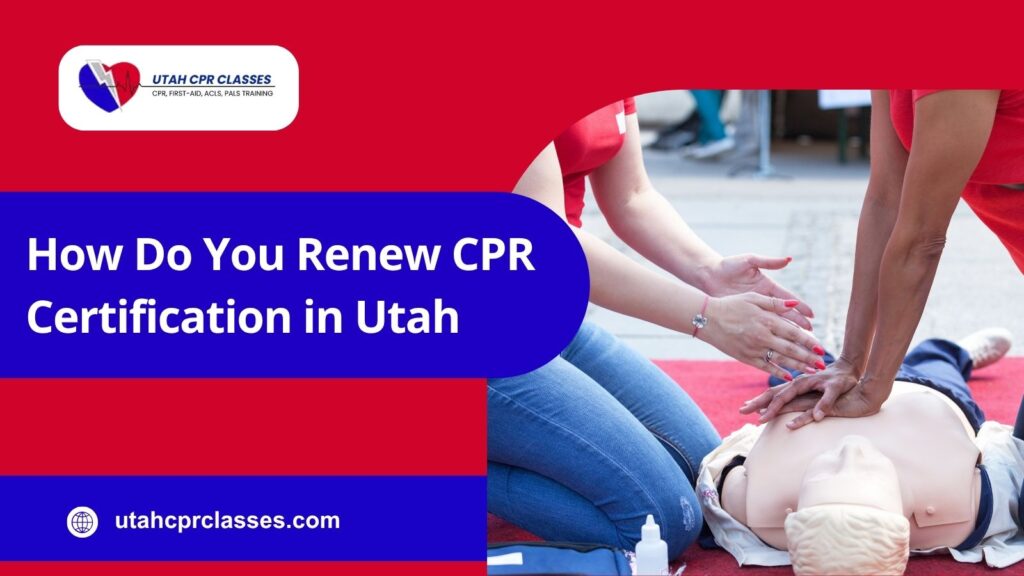
Renewing your CPR certification in Utah is a straightforward process that helps you stay prepared to respond confidently during cardiac and breathing emergencies while meeting workplace or licensing requirements. Whether you’re a healthcare provider, teacher, childcare professional, fitness trainer, or another professional who needs CPR certification, renewing on time ensures your skills remain current and your credentials stay valid.
Most CPR certifications, including those issued by the American Heart Association (AHA), are valid for two years. Before your certification expires, you’ll need to complete an approved renewal course that includes updated instruction, hands-on skills practice, and any required skills testing. Depending on the course you choose, you may complete classroom training or a blended learning program that combines online coursework with an in-person skills session.
In this guide, you’ll learn how to renew your CPR certification in Utah, what to expect during the renewal process, available training options, costs, and how to choose the right CPR renewal course for your needs.
Why CPR Certification Renewal Is Important
CPR techniques and emergency cardiovascular care guidelines continue to evolve as new research becomes available. Renewing your CPR certification ensures you are trained using the latest evidence-based practices and can provide high-quality care during emergencies.
CPR renewal is important because it helps you:
- Stay current with the latest American Heart Association guidelines
- Maintain confidence in performing CPR and using an AED
- Refresh life-saving skills through hands-on practice
- Meet employer, licensing, or regulatory requirements
- Avoid lapses in professional certification
- Improve patient outcomes during cardiac emergencies
For healthcare professionals, maintaining an active CPR certification is often a condition of employment. Even for non-healthcare professionals, regular renewal helps ensure you’re prepared to respond effectively if an emergency occurs at work, at home, or in your community.
What are the Steps to Renew CPR Certification in Utah?
Renewing your CPR certification in Utah is a simple process, but it’s important to choose the right course and complete your renewal before your certification expires.
Whether you need CPR certification for your healthcare career, workplace, or personal preparedness, following these steps will help you maintain an active certification and stay current with the latest life-saving guidelines.
1. Check Your Current CPR Certification Status
Start by checking the expiration date on your CPR certification card. Most American Heart Association (AHA) CPR certifications are valid for two years from the date of completion.
Renewing before your certification expires helps you:
- Maintain uninterrupted certification
- Meet the employer or licensing requirements
- Avoid delays in renewing your credentials
- Continue working without certification gaps
If your certification has already expired, some employers may require you to complete a full certification course instead of a renewal course.
2. Choose an Approved CPR Renewal Provider
Select a reputable training provider that offers nationally recognized CPR certification and follows the latest American Heart Association guidelines.
When comparing providers, look for:
- AHA-authorized CPR courses
- Hands-on skills training
- Flexible class schedules
- Convenient Utah training locations
- Same-day digital certification cards, when available
Choosing an approved provider helps ensure your renewed certification is accepted by employers, healthcare facilities, and licensing organizations.
3. Select the Right CPR Renewal Course
Choose a renewal course that matches your profession and workplace requirements. Different occupations may require different levels of CPR certification.
Common CPR renewal courses include:
- Basic Life Support (BLS) Renewal
- Heartsaver CPR AED
- Heartsaver First Aid CPR AED
- Advanced Cardiovascular Life Support (ACLS) Renewal
- Pediatric Advanced Life Support (PALS) Renewal
Before registering, confirm with your employer or licensing board which certification is required for your role.
4. Complete the Required Training
Attend your scheduled renewal course and complete all required training. Depending on the provider, you may choose between a traditional classroom course and a blended learning format that combines online instruction with an in-person skills session.
During the course, you’ll review and practice essential life-saving skills, including:
- Adult, child, and infant CPR
- High-quality chest compressions
- Rescue breathing techniques
- Automated External Defibrillator (AED) use
- Choking relief procedures
- Team-based resuscitation for healthcare providers, if applicable
Hands-on practice and skills testing help ensure you can perform CPR confidently and correctly in an emergency.
5. Receive Your Updated Certification
After successfully completing the renewal course and meeting all course requirements, you’ll receive a new CPR certification card. Many training providers issue digital certification cards shortly after course completion, while some also provide printed cards upon request. Your renewed certification is typically valid for another two years, allowing you to maintain compliance with employer and professional certification requirements until your next renewal cycle.
Can You Renew CPR Certification Online in Utah?
Yes, you can complete part of your CPR certification renewal online in Utah, but whether your entire renewal can be completed online depends on the certification required by your employer or licensing organization.
For certifications issued by the American Heart Association (AHA), many renewal courses are offered in a blended learning format. This allows you to complete the knowledge portion of the course online at your own pace before attending a short, in-person skills session with an AHA instructor. During the skills session, you’ll demonstrate CPR techniques, AED use, and other required life-saving skills to receive your certification.
If you only complete an online CPR course without the required hands-on skills evaluation, your certification may not be accepted by hospitals, healthcare facilities, schools, or other employers that require American Heart Association certification. Before enrolling, always confirm which type of CPR certification your employer or licensing board requires.
Who Needs to Renew CPR Certification?
Anyone whose job, professional license, or workplace policy requires current CPR certification should renew it before it expires. Regular renewal ensures your CPR knowledge and hands-on skills remain up to date with the latest American Heart Association (AHA) guidelines while helping you stay compliant with employer and licensing requirements.
Professionals who typically need to renew CPR certification include:
- Registered nurses (RNs) and licensed practical nurses (LPNs)
- Physicians and physician assistants
- Emergency medical technicians (EMTs) and paramedics
- Dentists and dental hygienists
- Medical assistants
- Respiratory, physical, and occupational therapists
- Pharmacists
- Firefighters and law enforcement officers
- Lifeguards and aquatic staff
- Teachers and school personnel
- Childcare providers and preschool staff
- Personal trainers, fitness instructors, and athletic coaches
- Home healthcare providers and caregivers
- Camp counselors and recreation staff
Even if your profession does not require CPR certification, renewing your training is a valuable way to stay prepared for emergencies at home, work, or in your community. Cardiac arrest can happen unexpectedly, and having current CPR skills can help you respond quickly while waiting for emergency medical services to arrive.
What Happens If Your CPR Certification Expires?
If your CPR certification expires, you are no longer considered officially certified to perform CPR in situations where current certification is required, such as for employment, professional licensing, or certain volunteer roles. While the life-saving skills you’ve learned don’t disappear overnight, an expired certification may affect your ability to meet workplace or regulatory requirements.
Here are some potential consequences of an expired CPR certification:
You May No Longer Meet Job Requirements
Many employers in healthcare, education, childcare, fitness, and public safety require employees to maintain a valid CPR certification. If your certification expires, you may be temporarily ineligible to perform certain job duties or may need to renew your certification before returning to work.
You Might Need to Take a Full Certification Course
Some training providers allow participants to take a renewal course shortly after their certification expires, while others require individuals with expired certifications to complete the full CPR certification course instead. Requirements vary by training organization and employer.
You Could Experience Employment Delays
An expired certification can delay hiring, onboarding, or license renewal if a valid CPR credential is required. Keeping your certification current helps avoid unnecessary interruptions to your career.
Your CPR Knowledge May Become Outdated
CPR guidelines are periodically updated to reflect the latest medical research and best practices. Renewing your certification ensures you stay informed about current techniques for chest compressions, rescue breathing, AED use, and emergency response.
How Long Does CPR Renewal Take?
The amount of time it takes to renew your CPR certification in Utah depends on the certification level, course format, and training provider. Most CPR renewal courses take between 2 and 8 hours to complete.
Here are the typical durations for common CPR renewal courses:
| CPR Renewal Course | Typical Duration |
| Heartsaver CPR AED | 2–4 hours |
| Basic Life Support (BLS) Renewal | 3–4 hours |
| Advanced Cardiovascular Life Support (ACLS) Renewal | 6–8 hours |
| Pediatric Advanced Life Support (PALS) Renewal | 6–8 hours |
Keep in mind that the total time may vary depending on factors such as class size, the training provider, and whether you choose classroom or blended learning. Completing your renewal before your certification expires gives you more flexibility when scheduling your course and helps ensure you remain compliant with employer or licensing requirements.
How Much Does CPR Renewal Cost in Utah?
The cost of renewing CPR certification in Utah varies depending on the type of course, the training provider, and the certification required for your profession. Factors such as course format, included training materials, and whether you’re renewing an individual or advanced life support certification can also affect the overall price.
For example, Basic Life Support (BLS) renewal courses for healthcare providers typically cost more than Heartsaver CPR AED courses because they include additional skills and are designed for clinical settings. Similarly, Advanced Cardiovascular Life Support (ACLS) and Pediatric Advanced Life Support (PALS) renewal courses generally have higher fees due to their advanced curriculum and longer training time.
Tips for a Smooth CPR Renewal
Renewing your CPR certification is usually a straightforward process, especially if you plan ahead. Taking a few simple steps can help you avoid delays, maintain continuous certification, and ensure you’re prepared with the latest life-saving techniques.
Here are some tips for a smooth CPR Renewal:
1. Renew Before Your Certification Expires
Don’t wait until the last minute. Most CPR certifications are valid for two years, so it’s best to schedule your renewal 30 to 60 days before the expiration date. Renewing early helps prevent lapses that could affect your employment or professional licensing.
2. Verify Your Employer’s Requirements
Different employers and industries may require certification from specific organizations, such as the American Heart Association (AHA) or the American Red Cross. Before enrolling, confirm that the course you choose meets your workplace or licensing requirements.
3. Choose the Right Course Format
Select a renewal option that fits your schedule and learning style. Many training providers offer:
- In-person classes
- Blended learning (online coursework plus in-person skills testing)
- Employer-sponsored onsite training
Be sure the format you choose is accepted by your employer.
4. Review CPR Guidelines Before Class
Refreshing your knowledge before attending your renewal course can make the process easier. Review topics such as:
- Adult, child, and infant CPR
- AED operation
- Choking relief techniques
- Current CPR compression and ventilation guidelines
A quick review can help you feel more confident during the skills assessment.
5. Bring Any Required Documentation
Some training providers may ask you to present:
- Your current or recently expired CPR certification card
- A government-issued photo ID
- Course registration confirmation
Check the provider’s requirements before your class to avoid any surprises.
6. Arrive Early and Be Prepared
Arriving 10 to 15 minutes early gives you time to complete any paperwork and settle in before instruction begins. Wear comfortable clothing, as you’ll participate in hands-on CPR practice and skills testing.
7. Keep a Copy of Your New Certification
After successfully completing your renewal, save both a digital and a printed copy of your certification card. Many employers require proof of current certification, so keeping it easily accessible can save time in the future.
8. Set a Reminder for Your Next Renewal
Once you’ve renewed your certification, create a calendar reminder or digital alert for your next expiration date. Planning ahead makes it easier to stay compliant and avoid the need for additional training if your certification lapses.
Why Choose an AHA CPR Renewal Course?
Choosing an American Heart Association (AHA) CPR renewal course helps ensure your certification is recognized by employers and reflects the latest evidence-based practices for responding to cardiac and breathing emergencies. There are other benefits too.
Some of the other benefits of choosing an AHA CPR renewal course:
- Nationally recognized certification accepted by many employers
- Training based on the latest American Heart Association guidelines
- Hands-on practice with CPR, AED use, and choking relief techniques
- Instructor-led skills evaluation to verify competency
- Courses designed for both healthcare professionals and community responders
- Digital AHA certification cards are issued after successful course completion
- Certification that is typically valid for two years
Get Your CPR Certification Renewed in Utah
Renewing your CPR certification in Utah is an important step to maintain your life-saving skills, meet workplace or licensing requirements, and stay prepared for unexpected emergencies. Whether you are a healthcare professional, teacher, childcare provider, fitness instructor, or community member, completing your renewal with proper training ensures you remain confident and capable of responding when immediate action is required.
Looking for reliable CPR renewal training in Utah? Utah CPR Classes provides AHA-authorized CPR certification courses led by experienced instructors with more than two decades of training expertise. With flexible class options, same-day certification cards, and on-site training solutions for businesses, schools, and organizations, Utah CPR Classes makes it easier to complete your renewal, meet certification requirements, and gain the practical skills needed to respond effectively in an emergency.