If you’re attending a CPR class for the first time, one of the most common questions is, “What should I wear to a CPR class?” While most CPR certification providers don’t require a formal dress code, choosing the right clothing can make your training experience far more comfortable and productive.
Unlike traditional classroom sessions, CPR training is highly interactive. You’ll spend time practicing chest compressions, rescue breathing, and Automated External Defibrillator (AED) skills on CPR manikins. These activities require kneeling, bending, and moving freely, so wearing comfortable, practical clothing helps you focus on learning lifesaving techniques rather than adjusting uncomfortable attire.
Whether you’re taking a Basic Life Support (BLS) course, a First Aid and CPR certification, or a workplace CPR training program, this guide explains exactly what to wear and what to avoid for a successful class.
Why Your Clothing Matters During CPR Training
Unlike a traditional classroom lecture, CPR certification courses include practical skills testing where you’ll actively participate in emergency response scenarios. Whether you’re taking a CPR, First Aid, Basic Life Support (BLS), Advanced Cardiovascular Life Support (ACLS), or Pediatric Advanced Life Support (PALS) course, you’ll spend time practicing techniques on adult, child, and infant training manikins.
During the class, you may:
- Kneel on the floor to perform chest compressions
- Bend over training manikins for CPR practice
- Practice rescue breathing and AED use
- Participate in partner or group exercises
- Demonstrate CPR skills during the final assessment
Comfortable clothing helps you focus on learning lifesaving skills rather than adjusting uncomfortable clothing or footwear.
Best Clothes to Wear to a CPR Class
CPR classes are highly interactive and require participants to practice chest compressions, rescue breathing, and Automated External Defibrillator (AED) skills on training manikins. Because you’ll spend time kneeling, bending, and using your upper body, wearing comfortable, flexible clothing can help you move freely and focus on learning lifesaving techniques.
Here are the best clothes to wear to a CPR class:
Comfortable Tops
Choose a shirt that allows unrestricted movement of your shoulders and arms. Since you’ll be performing repeated chest compressions, your clothing should not feel tight or restrictive.
Good choices include:
- T-shirts
- Polo shirts
- Athletic shirts
- Lightweight long-sleeve shirts
- Comfortable casual tops
Avoid tops that are overly tight, strapless, or have loose sleeves that may interfere with CPR practice.
Comfortable Pants
You’ll likely kneel on the floor during skills practice, so wear pants that are comfortable and easy to move in.
Recommended options include:
- Athletic pants
- Joggers
- Stretch pants
- Comfortable jeans
- Khakis
- Scrub pants
Choose clothing that allows you to bend, squat, and kneel without restriction.
Closed-Toe Shoes
Supportive, closed-toe shoes are the best choice for a CPR class. They provide stability while moving around the classroom and help keep your feet protected during hands-on activities.
Suitable footwear includes:
- Sneakers
- Running shoes
- Walking shoes
- Comfortable work shoes
Avoid flip-flops, sandals, high heels, or shoes with slippery soles, as they may reduce comfort and stability during practical exercises.
Breathable, Lightweight Fabrics
CPR practice can be physically demanding, especially when performing multiple rounds of chest compressions. Clothing made from breathable fabrics helps keep you comfortable throughout the class.
Moisture-wicking athletic materials or lightweight cotton fabrics are excellent choices, particularly for longer training sessions.
Dress for the Weather
If you’re attending class during colder months, wear layers so you can easily adjust to the classroom temperature. A lightweight jacket or hoodie can keep you comfortable before class and during breaks, while allowing you to remove it during hands-on practice if it restricts your movement.
What Not to Wear to a CPR Class
While most CPR certification classes don’t have a strict dress code, certain types of clothing can make hands-on training uncomfortable or limit your ability to perform CPR correctly. Since you’ll be kneeling, bending, and practicing chest compressions on training manikins, it’s best to avoid clothing and accessories that restrict movement.
Here are some of the clothing and accessories that you should avoid:
High Heels and Open-Toe Shoes
High heels, flip-flops, sandals, and other open-toe shoes are not ideal for CPR training. They can reduce stability while moving around the classroom and may be uncomfortable during practical exercises. Instead, choose supportive closed-toe shoes, such as sneakers or walking shoes.
Tight or Restrictive Clothing
Avoid clothing that limits your range of motion, including:
- Tight dresses
- Restrictive skirts
- Extremely tight jeans
- Fitted business attire
- Clothing that restricts shoulder or arm movement
You should be able to kneel, bend forward, and perform continuous chest compressions without feeling restricted.
Bulky Jackets or Heavy Outerwear
Heavy coats, thick hoodies, or bulky jackets can make it difficult to move comfortably during CPR practice. If the classroom is cool, bring a lightweight jacket that you can easily remove before the hands-on portion of the class.
Excessive Jewelry
Large or bulky accessories may get in the way while performing CPR skills or become uncomfortable during repeated movements.
Consider avoiding:
- Large bracelets
- Long necklaces
- Dangling earrings
- Oversized rings
- Bulky watches
Simple jewelry is generally acceptable, but keeping accessories minimal allows you to focus on the training.
Clothing with Long, Loose Accessories
Scarves, long ties, or clothing with dangling straps can interfere with CPR practice and may become a distraction during skills testing. Choosing simple, well-fitted clothing helps ensure you can move freely throughout the class.
Uncomfortable or Delicate Clothing
Avoid wearing expensive or delicate clothing that you don’t want to wrinkle or get dirty. CPR training often involves kneeling on the floor and repeated physical movement, so comfortable, durable clothing is the better choice.
Should You Wear Scrubs to a CPR Class?
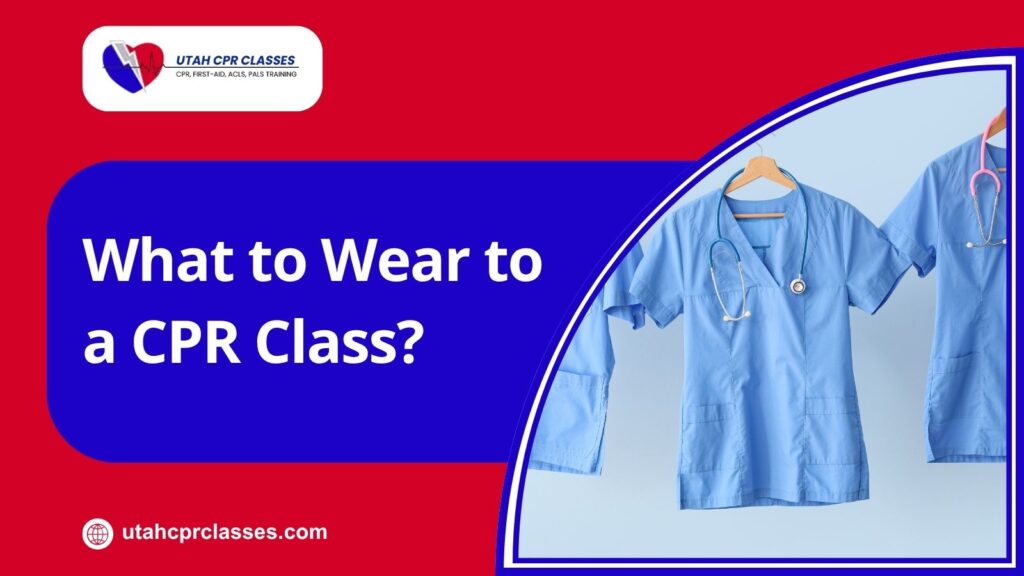
Yes, you can wear scrubs to a CPR class, but they are not required. Scrubs are a popular choice for healthcare professionals because they are comfortable, lightweight, and designed to allow a full range of movement during clinical tasks and hands-on training. If you’re attending a Basic Life Support (BLS), Advanced Cardiovascular Life Support (ACLS), Pediatric Advanced Life Support (PALS), or CPR certification course before or after work, wearing scrubs can be a convenient option. Many nurses, physicians, EMTs, paramedics, medical assistants, dental professionals, and healthcare students arrive in their work attire without any issues.
For participants who are not healthcare professionals, casual, comfortable clothing is equally appropriate. A T-shirt or polo shirt paired with athletic pants, comfortable jeans, or khakis provides enough flexibility for performing chest compressions, rescue breathing, and AED practice on training manikins. Unless your employer, school, or training provider has a specific dress requirement, you are free to wear whatever comfortable clothing allows you to kneel, bend, and move without restriction.
In short, scrubs are optional, not mandatory. The most important consideration is choosing clothing that keeps you comfortable and allows you to participate fully in the hands-on portions of the CPR class.
Is There a Dress Code for CPR Certification Classes?
Most CPR certification classes do not have a formal dress code. Training providers typically allow participants to wear casual, comfortable clothing as long as it allows them to safely participate in hands-on skills practice.
Unlike a traditional classroom course, CPR training involves physical activities such as performing chest compressions, practicing rescue breathing techniques, and using an Automated External Defibrillator (AED) on training manikins. Because of this, your clothing should allow you to kneel, bend, reach, and move comfortably throughout the class.
Should You Bring a Jacket?
Yes, bringing a light jacket to a CPR class is a good idea. While it’s not a requirement, classroom temperatures can vary depending on the training facility, season, and air conditioning. A lightweight layer helps you stay comfortable without interfering with hands-on CPR practice.
During CPR certification training, you’ll alternate between listening to instruction and participating in practical exercises, such as performing chest compressions and practicing AED skills. Having a jacket or hoodie allows you to adjust your clothing if the room feels too cold during lectures or too warm during physical activities.
Tips for Maximum Comfort During CPR Training
Beyond choosing the right clothing, a few simple preparations can make your CPR training experience smoother and more enjoyable. Since CPR certification classes require active participation, being mentally and physically prepared helps you stay focused during skills practice and assessments.
Below are some of the tips for maximum comfort during CPR training:
Get a Good Night’s Rest Before Class
CPR training requires concentration, attention to detail, and active participation. Getting adequate rest before your class can help you absorb important information, remember CPR steps, and perform skills confidently during practice.
Eat a Balanced Meal Before Training
CPR classes can last several hours and may involve physical activity. Eating a balanced meal or snack before attending class can help maintain your energy levels and prevent distractions caused by hunger.
Stay Hydrated
Drinking enough water before and during your training can help you stay alert and comfortable throughout the session. Keep a water bottle nearby if your training center allows it.
Take Notes During the Course
Although CPR training includes hands-on practice, taking notes during instruction can help reinforce important concepts such as:
- CPR sequence and steps
- Compression depth and rate guidelines
- AED operation
- Emergency response procedures
Written notes can also serve as a helpful reference when reviewing your skills later.
Tie Back Long Hair
If you have long hair, consider tying it back before class. Keeping hair secured can prevent distractions while practicing rescue breathing, working with manikins, or moving through different training activities.
Practice Proper Body Mechanics
Using correct body positioning during CPR practice can improve comfort and help you perform compressions effectively. Pay attention to:
- Proper hand placement
- Keeping your arms straight
- Positioning your shoulders above your hands
- Using your upper body strength efficiently
Take Short Breaks When Needed
If your class includes extended practice sessions, use scheduled breaks to rest, stretch, and reset your focus. Short breaks can help prevent fatigue and keep you engaged throughout the training.
Stay Engaged During Practice Scenarios
Active participation is one of the most important parts of CPR training. Treat practice scenarios seriously, follow instructor feedback, and repeat skills until you feel comfortable performing them.
Become CPR Certified and Be Prepared to Save a Life
Choosing the right outfit for a CPR class can make your training experience more comfortable, effective, and enjoyable. While there is no strict dress code for most CPR certification courses, wearing flexible clothing, comfortable footwear, and practical accessories allows you to participate fully in hands-on activities such as chest compressions, AED practice, and rescue breathing exercises. Whether you are attending a CPR, First Aid, BLS, ACLS, or PALS course, the most important thing is to wear clothing that supports movement and helps you stay focused on developing the lifesaving skills needed to respond confidently during an emergency.
Once you’re ready to take the next step toward CPR certification, Utah CPR Classes can help you complete your training with confidence. Our American Heart Association (AHA)-aligned courses include hands-on Voice-Assisted Manikin (VAM) skills assessments, flexible class schedules, multiple convenient training locations across Utah, and same-day AHA eCards. Whether you need BLS, ACLS, PALS, or Heartsaver CPR certification, our courses provide the instruction and practice needed to earn a nationally recognized credential. Register for a CPR certification course today and gain the knowledge, skills, and confidence needed to respond effectively when someone’s life depends on you.