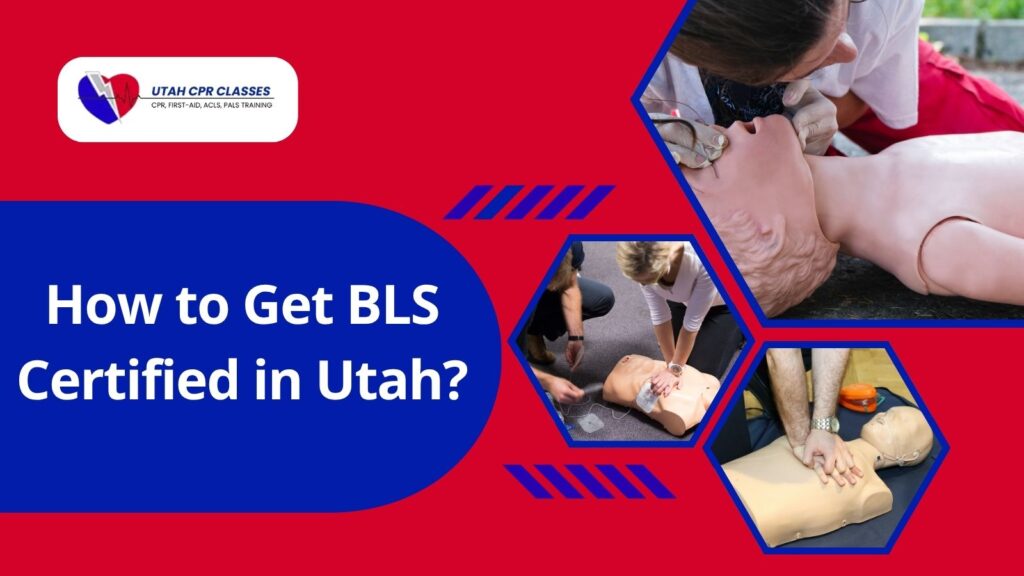
Basic Life Support (BLS) certification equips you with the essential skills to recognize and respond to life-threatening emergencies such as cardiac arrest, choking, and respiratory failure. Whether you’re a healthcare professional, nursing student, EMT, dental assistant, or someone required to maintain workplace compliance, earning a BLS certification in Utah ensures you’re prepared to provide high-quality emergency care.
In Utah, most employers prefer or require American Heart Association (AHA) BLS Provider certification because it meets nationally recognized healthcare standards. The certification process is straightforward and can often be completed in a single day through a blended learning or instructor-led course.
This guide explains everything you need to know about getting BLS certified in Utah, including eligibility, course options, costs, validity, and what to expect during training.
What Is BLS Certification?
Basic Life Support (BLS) certification is a professional-level training program that teaches healthcare providers and emergency responders how to respond effectively to life-threatening emergencies. It equips participants with essential skills such as performing high-quality CPR, using an Automated External Defibrillator (AED), providing rescue breathing, relieving choking, and recognizing the signs of cardiac arrest and respiratory failure. Unlike standard CPR courses for the general public, BLS training is designed specifically for healthcare professionals who may need to act quickly in clinical or emergency settings.
BLS certification combines theoretical knowledge with hands-on practice to ensure participants can confidently apply lifesaving techniques in real-world situations. Most courses include training in adult, child, and infant CPR, team-based resuscitation, and emergency response protocols based on the latest evidence-based guidelines. For many healthcare workers in Utah, including nurses, physicians, EMTs, dental professionals, and medical students, earning and maintaining a valid BLS certification is often a requirement for employment, clinical rotations, and professional licensure.
Steps to Get BLS Certified in Utah
Getting your Basic Life Support (BLS) certification in Utah is a straightforward process. Whether you’re seeking certification for a healthcare job, clinical rotation, or professional development, following these steps will help you earn a nationally recognized credential.
1. Choose an Accredited BLS Training Provider
Start by selecting a training provider that offers American Heart Association (AHA) BLS Provider certification. Many hospitals, clinics, and healthcare employers in Utah require or strongly prefer AHA-certified BLS training because it follows the latest evidence-based resuscitation guidelines.
2. Select Your Course Format
Choose the learning format that best fits your schedule:
- Instructor-led classroom course with in-person instruction and hands-on practice
- Blended learning (HeartCode BLS), which combines self-paced online coursework with an in-person skills session
Both formats teach the same BLS curriculum and lead to the same certification when all requirements are completed.
3. Complete the BLS Training
During the course, you’ll learn essential lifesaving skills, including:
- High-quality CPR for adults, children, and infants
- Proper use of an Automated External Defibrillator (AED)
- Rescue breathing and bag-mask ventilation
- Relief of choking for all age groups
- One-rescuer and two-rescuer CPR
- Team communication during emergency response
The training combines classroom instruction with practical, hands-on exercises using CPR manikins.
4. Pass the Skills Assessment
To become certified, you’ll need to successfully demonstrate the required BLS skills. Your instructor or approved skills evaluator will assess your ability to perform CPR, use an AED, and respond appropriately during simulated emergency scenarios according to current AHA standards.
5. Receive Your BLS Certification Card
After successfully completing the course and skills evaluation, you’ll receive your AHA BLS Provider certification card. The certification is widely accepted by healthcare employers, hospitals, universities, and licensing organizations throughout Utah and across the United States. It is typically valid for two years
Who Needs BLS Certification in Utah?
Basic Life Support (BLS) certification is recommended for anyone who may need to respond to cardiac or respiratory emergencies as part of their job. In Utah, many healthcare employers require an active American Heart Association (AHA) BLS Provider certification for employment, clinical training, or licensure.
BLS certification is commonly required for:
- Registered Nurses (RNs)
- Licensed Practical Nurses (LPNs)
- Physicians and Surgeons
- Emergency Medical Technicians (EMTs) and Paramedics
- Medical Assistants
- Dentists and Dental Hygienists
- Respiratory Therapists
- Physical and Occupational Therapists
- Pharmacists
- Surgical Technologists
- Radiologic Technologists
- Hospital and Clinic Staff
- Nursing, Medical, and Allied Health Students
- Firefighters and Other First Responders
Some non-healthcare professionals may also benefit from BLS certification, especially if they work in environments where medical emergencies are more likely. These include:
- Athletic trainers and sports coaches
- Lifeguards
- Workplace safety personnel
- Childcare providers
- Public safety officers
How Long Does It Take to Get BLS Certified?
Most Basic Life Support (BLS) certification courses can be completed in 4 to 5 hours, depending on the training format and your previous experience. Many learners in Utah earn their certification in a single day.
The time required varies by course type:
- Instructor-led classroom course: Typically takes 4–5 hours and includes both classroom instruction and hands-on skills practice.
- Blended learning (HeartCode BLS): The online portion is completed at your own pace, followed by a 30- to 60-minute in-person skills session.
- BLS renewal course: May take less time than an initial certification course, especially for participants who already have an active BLS certification.
How Much Does BLS Certification Cost in Utah?
The cost of BLS certification in Utah varies depending on the training provider, course format, and whether you’re taking the course for the first time or renewing your certification. On average, you can expect to pay between $60 and $120 for a standard BLS Provider course.
Some employers, hospitals, and healthcare organizations cover the cost of certification or offer discounted training for employees, so it’s worth checking with your workplace before registering.
Average BLS Certification Costs in Utah:
| Course Type | Typical Cost |
| Initial BLS Certification (In-Person) | $60–$120 |
| Blended Learning (Online + Skills Session) | $60–$120 |
| BLS Renewal | $60–$120 |
| Group or Employer Training | Varies by provider and group size |
These price ranges reflect what many training centers across Utah charge for American Heart Association (AHA) BLS courses.
Can You Take BLS Certification Online?
Yes, you can complete part of your BLS certification online, but healthcare professionals cannot earn a fully online American Heart Association (AHA) BLS Provider certification. To receive a valid certification, you must also complete an in-person hands-on skills assessment.
Most training providers in Utah offer two course formats:
- Instructor-led classroom course: Complete all training and skills practice in person.
- Blended learning (HeartCode BLS): Finish the online learning modules at your own pace, then attend an in-person skills session to demonstrate CPR and AED proficiency.
How Long Is BLS Certification Valid?
A Basic Life Support (BLS) certification is typically valid for two years from the date it is issued. After this period, you must complete a BLS renewal course to maintain an active certification and stay current with the latest CPR and emergency cardiovascular care (ECC) guidelines.
For healthcare professionals in Utah, maintaining a valid BLS certification is often a condition of employment. Hospitals, clinics, emergency medical services (EMS), and other healthcare employers generally require staff to keep their certification current to ensure they can provide effective, evidence-based care during medical emergencies.
Tips for Passing Your BLS Certification
Successfully completing your BLS certification requires understanding CPR concepts and demonstrating proper lifesaving skills during the hands-on evaluation. Preparing before and actively participating during training can help you pass your BLS course with confidence.
Here are some of the tips that can help you pass your BLS certification:
1. Review BLS Guidelines Before Class
Before attending your course, review basic CPR and emergency response concepts. Understanding the correct sequence of actions can make the training process easier.
Focus on:
- Adult, child, and infant CPR procedures
- Chest compression technique
- AED operation steps
- Rescue breathing methods
- Choking response procedures
2. Practice High-Quality CPR Skills
The skills assessment focuses heavily on performing effective CPR. During practice, pay attention to:
- Correct hand placement
- Proper compression depth and rate
- Allowing full chest recoil
- Minimizing interruptions
- Maintaining proper ventilation technique
Consistent practice helps develop the muscle memory needed for the evaluation.
3. Pay Attention During Demonstrations
Watch your instructor carefully as they demonstrate BLS techniques. Small details, such as compression positioning, AED steps, and communication methods, are important for performing skills correctly.
4. Participate During Hands-On Practice
Do not simply observe during training. Take advantage of practice time to perform CPR techniques, ask questions, and receive feedback from your instructor.
5. Understand the BLS Algorithm
Knowing the correct order of actions helps you respond effectively during scenarios. Become familiar with:
- Recognizing cardiac arrest
- Activating emergency response
- Starting CPR
- Using an AED
- Providing effective team-based care
6. Communicate Clearly During Team Scenarios
BLS assessments may include team-based situations. Practice using clear communication, assigning roles, and confirming tasks to demonstrate effective teamwork.
7. Stay Calm During the Skills Test
Feeling nervous before the assessment is normal. Take your time, follow the correct steps, and focus on applying what you practiced during the course.
8. Ask Questions When Needed
If you are unsure about any technique or procedure, ask your instructor for clarification. Understanding the reasoning behind each step makes it easier to remember during the assessment.
Get BLS Certified in Utah
Getting BLS certified in Utah helps you develop the essential skills needed to respond to cardiac arrest and other medical emergencies. Whether you need certification for healthcare employment, education, or professional requirements, an AHA BLS Provider course provides recognized training in CPR, AED use, and emergency response. Choose a trusted provider, complete your training and skills assessment, and earn your BLS certification to stay prepared and confident when lifesaving action is needed.
If you’re looking for a reliable way to earn your BLS certification in Utah, Utah CPR Classes offers AHA-aligned training designed to help you build confidence and practical emergency response skills. With hands-on VAM skills assessments, flexible scheduling, convenient locations, and fast access to your AHA eCard after completion, our courses make it easier to meet your certification requirements. Enroll in a BLS course today and gain the skills needed to provide effective care when every second matters.