Pharmacists in Utah who administer prescription drugs, including immunizations, are required to maintain current Basic Life Support (BLS) certification as part of the required training for pharmacist administration. Utah’s pharmacy rules also require training in injectable drug administration, current immunization guidelines, and management of anaphylactic reactions.
BLS is not a blanket certification requirement for every pharmacist simply because they hold a Utah pharmacist license. The requirement applies to pharmacists performing activities covered by Utah’s pharmacist administration rules. Pharmacists should also confirm whether their employer, pharmacy, healthcare organization, or specific role has additional CPR or life support requirements.
If you need BLS certification or renewal, you can complete your required training through Utah CPR Classes and stay prepared to respond to life-threatening emergencies in the pharmacy or healthcare setting.
BLS provides pharmacists with the foundational resuscitation skills needed to respond when a patient experiences a cardiac or respiratory emergency. For pharmacists who administer medications or vaccines, current BLS certification is specifically included in Utah’s required training.
BLS training focuses on recognizing cardiac arrest, performing high-quality CPR, using an AED, providing effective ventilation, and responding appropriately to choking and other life-threatening emergencies.
Pharmacists who administer immunizations also need training that addresses injectable drug administration, immunization practices, and management of anaphylactic reactions. Utah allows appropriate training from ACPE-approved programs, accredited colleges of pharmacy, health departments, and other Board-recognized providers.
For pharmacists working in community pharmacies, hospitals, clinics, and other healthcare environments, BLS training provides practical skills that can be used when a patient suddenly becomes unresponsive or experiences a serious medical emergency.
Important: Pharmacist licensing and certification requirements in Utah vary by license type, scope of practice, specialty, and employer. Always verify the current education, examination, licensure, registration, certification, and continuing-education requirements with the Utah Division of Professional Licensing and the specific employer before registering.
Pharmacists regularly interact directly with patients, particularly when providing vaccinations, medication-related services, and other clinical care. A medical emergency can occur unexpectedly inside a pharmacy, clinic, hospital, or other healthcare environment.
Common situations requiring immediate CPR or emergency response skills include:
A patient may suddenly become unresponsive and stop breathing normally while inside a pharmacy or healthcare facility. Pharmacists and other pharmacy staff may need to begin CPR and use an AED while emergency medical services are being activated.
Patients receiving vaccinations or injectable medications can experience a severe allergic reaction. Pharmacists who administer these treatments need appropriate training to recognize and manage anaphylaxis and respond if the patient’s condition deteriorates.
A patient may experience severe respiratory distress, airway obstruction, or another condition that progresses to respiratory arrest. Pharmacists with current BLS training can recognize the emergency and begin appropriate resuscitation measures.
Patients may experience serious adverse reactions, medication errors, overdose, or other acute medical problems. A pharmacist may be among the first healthcare professionals available to recognize the deterioration and initiate an emergency response.
A patient may collapse while waiting for a prescription, receiving a vaccination, attending a clinic, or being evaluated by pharmacy staff. Pharmacists need to be prepared to recognize cardiac arrest and respond immediately.
Pharmacists who provide immunizations and other patient-facing services can encounter medical emergencies without warning. BLS training provides the foundation for responding when a patient becomes unresponsive or stops breathing normally.
In a community pharmacy or vaccination setting, a pharmacist may be immediately available when a patient experiences a sudden medical emergency. Early recognition and appropriate action can be critical while EMS is being activated.
Utah’s pharmacist administration rules specifically require current BLS certification as part of the training for pharmacists administering prescription drugs. The required training also includes management of anaphylactic reactions.
BLS training covers high-quality CPR, AED use, ventilation, and other foundational skills needed during cardiac and respiratory emergencies. These skills allow pharmacists to begin appropriate emergency care while waiting for additional medical support.
A pharmacy, hospital, healthcare organization, or other employer may establish additional CPR or life support requirements based on the pharmacist’s responsibilities and workplace environment. Pharmacists should confirm the exact credential required before registering for a course.
Pharmacies, hospitals, healthcare organizations, and other medical facilities may need to train multiple pharmacists and pharmacy staff while maintaining normal patient services.
Utah CPR Classes provides on-site CPR and BLS training for eligible organizations and groups. Bringing training to the workplace can make it easier to coordinate certification around pharmacy schedules, staffing requirements, patient appointments, and operational responsibilities.
On-site training may be useful for:
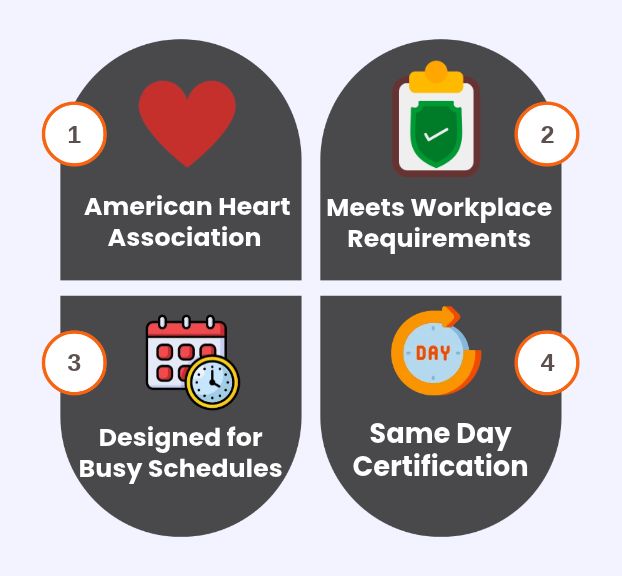
Utah CPR Classes provides American Heart Association BLS and Heartsaver training for eligible participants. Pharmacists who complete the required course components receive the applicable AHA course completion card.
CPR, AED, first aid, and BLS training prepares pharmacists to respond to emergencies that can occur during immunizations, patient consultations, health screenings, medication services, and daily pharmacy operations.
Structured coursework, hands-on practice, and performance feedback help participants prepare for the required certification evaluation.
Utah CPR Classes supports CPR and life support training for pharmacists, healthcare professionals, workplaces, and organizations that require current emergency-response credentials.
Available locations throughout Utah make it easier for pharmacists to schedule training around their workplace, commute, professional responsibilities, and certification deadlines.
Complete your BLS, ACLS, or PALS online coursework


Stay current with your BLS certification through Utah CPR Classes. Whether BLS training is needed for your pharmacist role, employer requirements, or workplace responsibilities, our available courses can help you meet your training needs.
Enroll today to complete or renew your BLS certification and build the skills needed to respond confidently to cardiac arrest, respiratory emergencies, anaphylaxis, and other life-threatening situations.
Not necessarily. Utah’s BLS requirement is tied to pharmacist administration activities rather than simply holding a pharmacist license. Pharmacists should determine whether their responsibilities involve activities covered by the rule and confirm any additional requirements established by their employer.
ACLS is not a general Utah pharmacist certification requirement. A hospital, healthcare employer, or specialized clinical position may require ACLS based on the pharmacist’s responsibilities, but pharmacists should confirm the requirement with their employer before enrolling.
PALS is not a general certification requirement for Utah pharmacists. A pharmacist working in a specialized pediatric or emergency-care environment could have additional employer-specific requirements, so the pharmacist should verify the credential required for the position.