Paramedics generally need current BLS and ACLS certification, while PALS is appropriate for paramedics who provide emergency care to infants and children or whose EMS agency requires pediatric advanced life support training. BLS provides the foundation for high-quality CPR and resuscitation, while ACLS focuses on advanced cardiovascular emergencies in adults. PALS addresses the assessment and management of critically ill pediatric patients.
The exact certification requirements vary by EMS agency, ambulance service, fire department, hospital, medical director, and job responsibilities. Utah paramedics should confirm which AHA credentials their employer requires before registering for a course.
If you need American Heart Association BLS, ACLS, or PALS certification, you can get certified through our courses today and take the next step toward staying prepared for your patients and your career.
BLS, ACLS, and PALS serve different purposes within emergency medical care. For paramedics, these courses complement the advanced clinical training used during prehospital emergencies, ambulance transports, and hospital-based emergency care.
BLS is required for paramedics who provide frontline emergency care and need current basic life support certification for their EMS role. BLS focuses on immediate life support, including high-quality CPR, AED use, ventilation, and choking response. It provides the foundation for effective resuscitation when a patient experiences cardiac arrest.
ACLS is required for paramedics who manage adult patients with serious cardiovascular and life-threatening medical conditions. ACLS builds on basic resuscitation skills and addresses adult cardiovascular emergencies. The course covers cardiac arrest, recognition of cardiac rhythms, defibrillation, cardioversion, pacing, medications, acute coronary syndromes, stroke, and post-cardiac arrest care.
PALS is required for paramedics who provide emergency care to infants and children or work in environments where pediatric emergencies are regularly encountered. PALS focuses specifically on infants and children. It addresses pediatric respiratory emergencies, shock, cardiac arrest, bradycardia, tachycardia, and other conditions that require rapid recognition and intervention.
For paramedics, the combination of these certifications can provide training applicable to adult and pediatric emergencies encountered across different EMS environments.
Important: CPR certification requirements vary by hospital, healthcare system, specialty, residency program, and employer. Always verify which American Heart Association course is required before registering.
Paramedics can encounter cardiac and respiratory emergencies in almost any environment. Unlike many healthcare professionals who work in controlled clinical settings, paramedics may begin resuscitation in a patient’s bedroom, bathroom, driveway, highway, workplace, public venue, or inside a moving ambulance.
Common situations requiring immediate CPR or resuscitation skills include:
Paramedics may arrive at a residence, business, vehicle accident, or public location where a patient is already in cardiac arrest. Rapid recognition, high-quality CPR, defibrillation, ventilation, and coordinated team response are critical components of the initial resuscitation effort.
Patients experiencing opioid overdose, severe asthma, respiratory failure, airway obstruction, or other conditions can progress to respiratory arrest. Paramedics may need to provide ventilation and CPR while addressing the underlying emergency.
Severe trauma can result in cardiac arrest or profound physiological deterioration. Paramedics may need to perform resuscitation while simultaneously addressing hemorrhage, airway problems, and other traumatic injuries.
A patient’s condition can deteriorate after being loaded into an ambulance. Paramedics must be prepared to recognize cardiac arrest or another life-threatening cardiovascular event and initiate appropriate treatment in a confined transport environment.
Children can deteriorate rapidly from respiratory illness, choking, trauma, drowning, or other emergencies. Paramedics responding to pediatric calls need to recognize when a child requires CPR, ventilation, or advanced resuscitation.
A patient who initially appears stable may suddenly become unresponsive or lose normal breathing. Paramedics must be prepared to transition immediately from assessment and routine treatment to full resuscitation.
When cardiac arrest occurs, paramedics cannot wait for a hospital setting before beginning resuscitation. CPR and defibrillation may need to begin within minutes of recognizing the emergency.
Current CPR training reinforces the skills required to respond without unnecessary delay.
Paramedics frequently arrive before emergency physicians, nurses, or other hospital-based providers. Their actions can establish the initial resuscitation strategy and determine how quickly lifesaving interventions begin.
A paramedic cannot know whether the next dispatch will involve a minor illness or a patient in cardiac arrest. Current life support certification ensures that essential resuscitation knowledge and skills remain part of the paramedic’s professional readiness.
Paramedics may perform advanced airway management, medication administration, cardiac monitoring, defibrillation, and other interventions. These advanced capabilities operate alongside fundamental CPR and resuscitation principles.
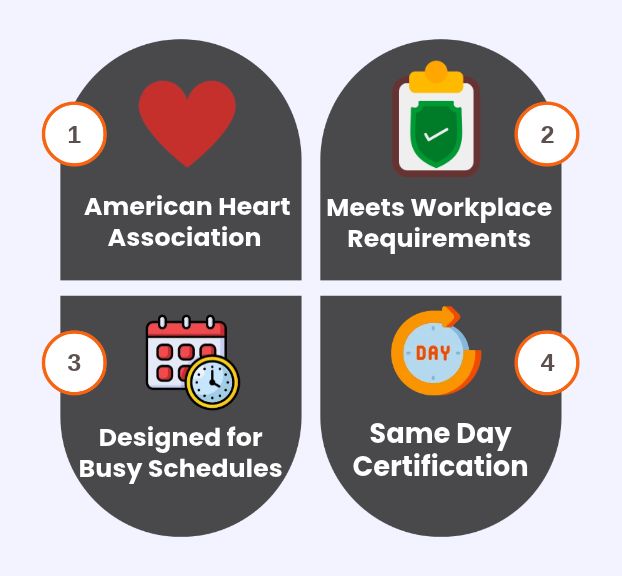
EMS agencies and healthcare employers may require current BLS, ACLS, PALS, or other life support credentials as part of employment, credentialing, or continuing education requirements.
Keeping certifications current helps paramedics remain compliant with applicable workplace requirements.
EMS agencies often need to train multiple paramedics, EMTs, supervisors, and other emergency personnel while maintaining adequate staffing and emergency coverage.
Utah CPR Classes provides on-site CPR, BLS, ACLS, and PALS training for eligible EMS organizations and groups. Bringing training to the organization can make it easier to coordinate certification around shift schedules, station coverage, ambulance availability, and operational responsibilities.
On-site training may be useful for:
Utah CPR Classes provides American Heart Association BLS, ACLS, and PALS training for eligible healthcare professionals. Paramedics who complete the applicable course requirements can receive the corresponding AHA certification.
BLS, ACLS, and PALS training addresses resuscitation skills used by healthcare and emergency professionals. Paramedics can select the appropriate course based on their EMS responsibilities and employer requirements.
Paramedics may work rotating shifts, nights, weekends, and extended hours. Available blended-learning options can allow participants to complete the online portion before attending the required hands-on skills training.
Resuscitation requires practical performance under pressure. Hands-on training allows paramedics to practice CPR, AED use, ventilation, and coordinated emergency response rather than relying solely on theoretical instruction.
Available training locations throughout Utah make it easier for paramedics to choose a course location that fits their work schedule, EMS station, commute, and certification timeline.
Complete your BLS, ACLS, or PALS online coursework


Keep your CPR and advanced life support credentials current with Utah CPR Classes. Whether your EMS agency requires BLS, ACLS, PALS, or multiple AHA certifications, we offer training options designed to help Utah paramedics maintain their required credentials.
Enroll today to complete or renew the CPR and life support certification required for your paramedic role.
The AHA BLS Provider course is designed primarily for healthcare professionals and other personnel who need to perform CPR and respond to life-threatening emergencies as part of their job. Heartsaver courses are generally designed for people with little or no medical training who need CPR, AED, or first aid training for workplace, community, or other requirements.
Depending on the course, participants may be evaluated on CPR, AED use, ventilation, recognition of life-threatening conditions, and team-based resuscitation skills. ACLS and PALS also evaluate the participant’s ability to apply advanced life support concepts during simulated emergency scenarios.
After successfully completing all required course components, the participant receives the applicable AHA course completion card. The card documents completion of the course and can be provided to an employer or credentialing organization when required.
An AHA course completion card can generally be presented to employers or organizations that accept that specific AHA credential. However, each EMS agency, healthcare employer, medical director, or credentialing organization may establish its own credentialing requirements, so paramedics should confirm that the course they select meets their workplace requirements.
Paramedics should consider their patient population, clinical responsibilities, employer requirements, certification status, and the specific AHA course required for their role. Choosing the correct course helps ensure that the training and completion card match the professional credential they need.