Orthodontic staff in Utah who provide direct patient care should maintain the CPR or BLS credential required by their dental practice, employer, professional role, or applicable Utah dental requirements. CPR and BLS training prepares orthodontic teams to respond to cardiac arrest, airway emergencies, choking, syncope, and other medical emergencies that can occur during orthodontic treatment.
CPR requirements differ by professional role and credential. Utah dental rules specifically reference current CPR or BLS certification for certain dental assistant qualifications, while other orthodontic staff requirements depend on their license, duties, employer, and practice setting. Staff should confirm which CPR credential applies to their specific role before registering for a course.
If you need CPR or BLS certification for your orthodontic role, you can complete the appropriate training through Utah CPR Classes.
CPR and BLS training provides orthodontic professionals with emergency-response skills that are relevant to dental and orthodontic clinical settings. Orthodontic staff work with patients while they are seated or reclined in treatment chairs, have instruments and orthodontic appliances in their mouths, and undergo procedures that can trigger sudden medical or airway emergencies.
BLS focuses on high-quality CPR, AED use, ventilation, choking response, and recognition of life-threatening emergencies. For orthodontic staff whose role requires a healthcare-provider-level credential, BLS provides training applicable to emergencies that require immediate intervention.
CPR training is particularly important for orthodontic teams because patients can experience medical emergencies even when the appointment is for routine orthodontic care. Staff should know how to activate the office emergency plan, retrieve the AED, begin CPR, and coordinate with emergency medical services.
For orthodontic practices, the appropriate credential depends on the staff member’s role. Dentists, dental hygienists, dental assistants, and other clinical personnel should follow the CPR or BLS requirements that apply to their specific position.
Important: Orthodontic staff training and certification requirements vary by orthodontic practice, jurisdiction, role, specialty, scope of practice, and employer. Always verify which education, training, certification, licensing, and credentialing courses are required by the specific orthodontic practice or regulatory authority before registering.
Orthodontic offices treat patients throughout the day, including children, adolescents, and adults. Although many orthodontic appointments are routine, patients can experience sudden medical emergencies during treatment or while waiting in the office.
Common situations requiring immediate CPR or emergency-response skills include:
Patients can faint before, during, or after orthodontic treatment. A patient who loses consciousness requires immediate assessment to determine whether normal breathing and responsiveness return or whether the situation has progressed to a more serious emergency.
A patient with an underlying cardiac condition can experience sudden cardiac arrest while seated in the orthodontic chair, waiting room, or another area of the practice. Staff must be prepared to activate emergency services, begin CPR, and use the AED when indicated.
Orthodontic treatment involves brackets, wires, elastics, instruments, and other materials in or around the patient’s mouth. A patient can experience an airway emergency or choking event that requires immediate intervention.
Small orthodontic components or materials can become dislodged during treatment. If a patient chokes and develops a complete airway obstruction, trained staff must respond immediately and follow appropriate choking and emergency-response procedures.
Patients can experience sudden chest pain, difficulty breathing, seizures, allergic reactions, or other acute medical conditions during an appointment. Staff must recognize the emergency and activate the practice’s emergency response plan.
Some orthodontic procedures involve local anesthetic. An adverse reaction or medical complication following administration requires rapid recognition and appropriate emergency response while emergency medical services are activated.
A patient can arrive for a routine orthodontic adjustment and still experience an unexpected medical emergency. Clinical staff need to recognize sudden deterioration and respond immediately.
Orthodontic patients spend substantial portions of treatment seated or reclined in a dental chair. A sudden loss of consciousness or airway emergency requires staff to respond in a confined clinical environment.
Orthodontic treatment takes place around the patient’s mouth and airway. Staff should be prepared to recognize choking and other airway emergencies and initiate the appropriate response.
Children and adolescents represent a significant portion of orthodontic care. Staff should understand how emergency response differs according to the patient’s age and size.
An orthodontic emergency response can involve the orthodontist, dental assistants, hygienists, treatment coordinators, and other staff. CPR training helps team members understand their roles during an emergency while emergency medical services are activated.
Orthodontic practices often need to train multiple members of their clinical team without disrupting patient appointments and daily office operations.
Utah CPR Classes provides on-site CPR and BLS training for eligible organizations and groups. Bringing training to the orthodontic practice can make it easier to coordinate certification around patient schedules, treatment appointments, staff availability, and office hours.
On-site training may be useful for:
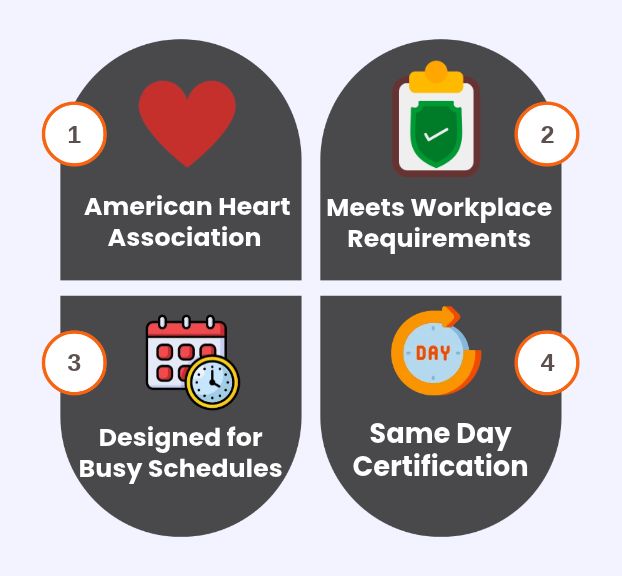
Utah CPR Classes provides American Heart Association BLS, ACLS, and PALS courses for eligible healthcare professionals. Dental hygienists can complete the applicable AHA course required for their Utah licensure pathway or workplace requirements.
Real-time feedback during hands-on practice helps participants improve CPR performance, including chest compression technique, rate, depth, recoil, and other skills evaluated during the course.
A supportive learning environment gives dental hygienists an opportunity to practice resuscitation skills, ask questions, and build confidence with CPR and emergency-response procedures.
Courses are designed for healthcare professionals with different levels of CPR experience. Whether a dental hygienist is completing an initial certification or renewing an existing credential, the training focuses on the skills required for the selected AHA course.
Utah CPR Classes maintains a high student pass rate through structured instruction, hands-on practice, real-time feedback, and opportunities to repeat skills when needed.
Complete your BLS, ACLS, or PALS online coursework


Keep your CPR or BLS credentials current with Utah CPR Classes. Whether your orthodontic practice requires CPR/AED training or a healthcare-provider-level BLS credential, choose the course that matches your professional role and workplace requirements.
Enroll today to complete or renew your CPR or BLS certification and stay prepared for cardiac arrest, syncope, choking, airway emergencies, and other medical emergencies that can occur in an orthodontic office.
An AED can be an important part of an orthodontic practice’s emergency response plan. Staff should know where the AED is located, how to access it quickly, and how to begin the emergency response when a patient experiences suspected cardiac arrest.
Staff should immediately assess the patient’s responsiveness and breathing, follow the practice’s emergency protocol, and activate emergency medical services when indicated. If the patient is unresponsive and not breathing normally, CPR and AED response should begin according to current training.
The requirement depends on the employee’s role and the practice’s emergency-response policy. Front-office personnel who are part of the office emergency team can benefit from appropriate CPR and AED training because they may be responsible for calling 911, directing EMS personnel, retrieving emergency equipment, or assisting clinical staff.
CPR and BLS training provides core emergency-response skills rather than training specifically in orthodontic procedures. Orthodontic practices should combine those skills with an office-specific emergency plan covering EMS activation, emergency equipment, AED access, patient evacuation, and staff responsibilities.