Utah dental hygienists need current CPR-BLS or ACLS-PALS certification to qualify for licensure. BLS provides the foundation for high-quality CPR, AED use, ventilation, and basic life support, while ACLS focuses on adult cardiovascular emergencies and PALS addresses serious respiratory and cardiovascular emergencies in infants and children. Utah recognizes these as two certification pathways, so dental hygienists do not need both pathways solely for general licensure.
The appropriate certification pathway depends on the credential being used for Utah licensure and the requirements of the dental practice. Dental hygienists provide direct patient care during cleanings, periodontal treatment, preventive procedures, and other hygiene services, making emergency preparedness an important part of chairside patient care.
If you need BLS, ACLS, or PALS certification, you can get certified through our AHA courses today and take the next step toward maintaining your Utah dental hygiene credentials.
BLS, ACLS, and PALS address different levels of resuscitation and emergency response. For dental hygienists, these courses relate to emergencies that can occur during routine hygiene appointments, periodontal treatment, local anesthesia procedures, or pediatric dental care.
BLS is the CPR-BLS pathway recognized for Utah dental hygienist licensure. BLS focuses on immediate life support, including high-quality CPR, AED use, ventilation, and basic life support for adults, children, and infants. It provides the foundation for responding when a patient becomes unresponsive, stops breathing normally, or experiences cardiac arrest.
ACLS is part of the alternative ACLS-PALS pathway recognized for Utah dental hygienist licensure. ACLS builds on BLS skills and addresses adult cardiovascular emergencies, including cardiac arrest, respiratory arrest, bradycardia, tachycardia, acute coronary syndromes, stroke, and post-cardiac arrest care.
PALS is the pediatric component of the ACLS-PALS pathway. PALS focuses on infants and children experiencing respiratory emergencies, shock, arrhythmias, and cardiopulmonary arrest. It prepares healthcare professionals to recognize pediatric deterioration and respond with appropriate resuscitation interventions.
For dental hygienists, the Utah requirement is CPR-BLS or ACLS-PALS, rather than a requirement to hold all three certifications independently.
Important: CPR certification requirements for dental hygienists can vary depending on the dental practice, healthcare organization, state or local regulations, professional responsibilities, and employer policies. Always confirm with your employer or licensing authority which American Heart Association course, such as BLS, is required before registering.
Dental hygienists can encounter medical emergencies while performing routine patient care. Unlike emergency medical professionals, hygienists generally begin these responses while working in a dental operatory, with the patient already positioned in the hygiene chair.
Common situations requiring immediate CPR or resuscitation skills include:
A patient can become unresponsive and enter cardiac arrest during a routine cleaning, periodontal procedure, or other dental hygiene appointment. The dental team must recognize cardiac arrest, activate emergency medical services, begin CPR, and use an AED as soon as it is available.
Patients can experience syncope or lose consciousness while seated or reclined in the dental chair. Dental hygienists need to recognize when a patient has not recovered normally and respond appropriately when the condition progresses to a life-threatening emergency.
Dental hygiene treatment takes place directly around the patient’s mouth and airway. Choking or airway obstruction requires rapid recognition and appropriate first-response skills, including CPR when the patient becomes unresponsive.
A patient may develop severe breathing difficulty or respiratory arrest during an appointment. Dental hygienists need to recognize abnormal breathing and initiate appropriate emergency response while the dental team prepares for EMS arrival.
Dental hygienists who administer local anesthesia under applicable Utah authorization work directly with patients receiving anesthetic agents. A serious reaction or sudden deterioration requires rapid recognition and emergency response.
Pediatric dental hygiene appointments involve infants, children, and adolescents who can experience respiratory distress, choking, shock, or cardiac arrest. Hygienists working with pediatric patients need age-appropriate emergency response skills when their applicable certification pathway or workplace requires them.
Dental hygienists spend significant time providing direct clinical care while patients are seated or reclined in the dental chair. Emergency response therefore forms an important part of clinical preparedness.
Scaling, polishing, periodontal treatment, suction, and other procedures occur around the patient’s mouth. Dental hygienists need to recognize choking, airway obstruction, respiratory problems, and sudden changes in patient condition.
A routine cleaning does not eliminate the possibility of a medical emergency. A patient can become unresponsive, develop respiratory distress, or experience cardiac arrest without warning.
A dental emergency requires coordinated action between the hygienist, dentist, dental assistant, and other members of the practice team. Current resuscitation training helps each team member perform the appropriate emergency-response role.
Utah’s dental hygienist licensure rule recognizes the CPR-BLS or ACLS-PALS examination, evidenced by current CPR-BLS or ACLS-PALS certification.
Dental practices often need to train multiple hygienists, dentists, dental assistants, and other clinical staff while maintaining patient appointments and normal office operations.
Utah CPR Classes provides on-site CPR, BLS, ACLS, and PALS training for eligible dental practices and healthcare groups. Bringing training to the practice can make it easier to coordinate certification around patient schedules, staff availability, office hours, and clinical responsibilities.
On-site training may be useful for:
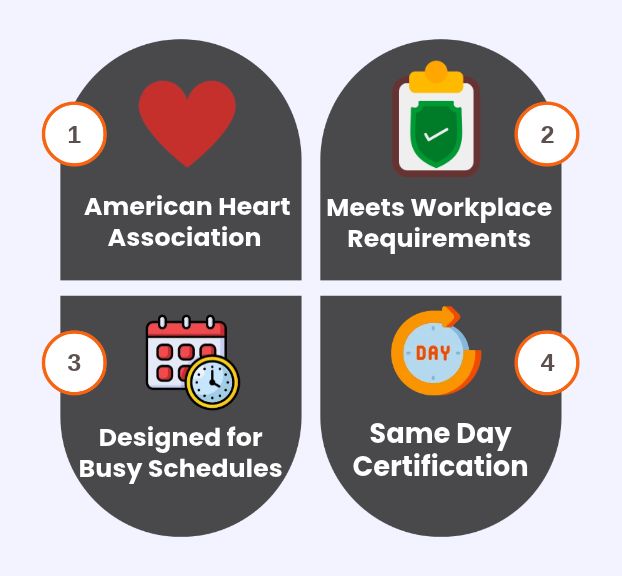
Utah CPR Classes provides American Heart Association training for eligible healthcare professionals. Participants who successfully complete the applicable course requirements receive the corresponding AHA course completion card, helping them meet applicable workplace and professional training requirements.
Our CPR courses are designed to address the emergency response skills commonly required in healthcare environments. Training can help participants prepare for situations involving cardiac arrest, breathing emergencies, choking, AED use, and other time-sensitive events.
Participants receive immediate feedback from the training equipment while practicing. This allows them to identify areas that need improvement and make adjustments during the hands-on session.
Completing the online portion in advance can reduce the amount of time participants need to spend at the training location. The in-person portion focuses on the required practical skills and evaluation.
Whether you are taking CPR training for the first time or renewing an existing certification, the training provides opportunities to review essential concepts and practice the required skills.
Complete your BLS, ACLS, or PALS online coursework


Keep your CPR certification current with Utah CPR Classes. Choose the appropriate AHA BLS, ACLS, or PALS course based on your professional and workplace requirements.
Enroll today, complete your training, and stay prepared to respond when every second matters.
Depending on the course, participants are evaluated on CPR, AED use, ventilation, emergency recognition, and team-based resuscitation. ACLS and PALS also use simulated emergency scenarios to assess advanced life support skills.
After successfully completing the required course components, the participant receives the applicable AHA course completion card. AHA states that BLS, ACLS, and PALS course completion cards are valid for two years.
Dental hygienists should consider their Utah licensure pathway, patient population, clinical responsibilities, employer requirements, current certification, and the specific AHA course required. Utah recognizes CPR-BLS or ACLS-PALS for dental hygienist licensure.
Yes. AHA BLS includes basic life support for adults, children, and infants.