Physical therapists in Utah who need a CPR credential for clinical education, employment, healthcare facility requirements, or workplace policy should complete American Heart Association (AHA) BLS Provider certification. BLS is the appropriate healthcare-level CPR course for physical therapists because it covers high-quality CPR, AED use, ventilation, choking response, and basic life support for adults, children, and infants.
BLS is not listed by Utah DOPL as a general physical therapist license-renewal requirement. Utah PTs should therefore confirm the CPR credential required by their employer, clinical site, healthcare facility, or academic program before registering for a course. The University of Utah Department of Physical Therapy, for example, requires AHA BLS certification for accepted DPT students and requires the skills portion to be completed in person.
If you need AHA BLS certification or renewal for your physical therapy role, you can complete the required training through Utah CPR Classes.
BLS provides the core resuscitation training most relevant to physical therapists working directly with patients. Physical therapists work with patients during exercise, mobility training, rehabilitation, and functional activities, so they need to recognize sudden medical deterioration and respond appropriately while waiting for emergency medical services.
AHA BLS training covers high-quality CPR, AED use, ventilation, choking response, and recognition of life-threatening emergencies. The course also includes adult, child, and infant resuscitation skills.
For physical therapists, these skills are particularly relevant in outpatient rehabilitation clinics, hospitals, inpatient rehabilitation facilities, sports medicine settings, skilled nursing facilities, and other environments where patients perform physical activity under clinical supervision.
ACLS and PALS are not standard CPR requirements for physical therapists. Those advanced courses are intended for professionals whose clinical roles require advanced cardiovascular or pediatric life support. A physical therapist should complete ACLS or PALS only when a specific employer, facility, clinical program, or job role requires that credential.
Important: CPR certification requirements for physical therapists vary by employer, healthcare facility, practice setting, specialty, and state licensing requirements. Always verify which American Heart Association course is required by the specific employer or facility before registering.
Physical therapy sessions involve movement, exercise, transfers, gait training, balance activities, and other physical demands. Patients can experience sudden medical emergencies during treatment even when they arrived for a routine rehabilitation appointment.
Common situations requiring immediate CPR or emergency response skills include:
A patient performing therapeutic exercise, treadmill walking, cycling, strengthening, or other activity can suddenly become unresponsive and stop breathing normally. The physical therapist must recognize the emergency, activate the facility’s emergency response system, begin CPR, and use an AED when available.
A patient may become unresponsive during a transfer, standing exercise, gait training, balance activity, or treatment session. Rapid assessment and basic life support skills are essential while emergency assistance is activated.
Patients recovering from cardiac conditions, surgery, serious illness, or prolonged hospitalization can have underlying cardiovascular risks. A sudden change in responsiveness, breathing, or circulation requires immediate recognition and emergency intervention.
A patient with pulmonary disease, neuromuscular impairment, severe illness, or another underlying condition can experience acute respiratory deterioration during therapy. The therapist must recognize abnormal breathing and respond according to the facility’s emergency procedures.
Pediatric physical therapists treat infants, children, and adolescents with developmental, neurological, orthopedic, and other conditions. A pediatric patient can experience respiratory arrest, choking, cardiac arrest, or another life-threatening emergency during treatment.
Physical therapists frequently assist patients with bed mobility, transfers, standing, walking, and other functional activities. A patient can suddenly collapse during a transfer or mobility exercise, requiring the therapist to initiate an emergency response.
Physical therapists work directly with patients during exercise, mobility training, therapeutic activities, and functional rehabilitation. Because treatment frequently involves physical exertion, therapists need to recognize when a patient’s condition changes unexpectedly.
Physical therapists treat patients recovering from surgery, neurological conditions, cardiovascular disease, respiratory conditions, traumatic injuries, and other medical problems. The patient’s underlying condition can influence the type of emergency that occurs during treatment.
A patient can experience a medical emergency while walking, exercising, climbing stairs, using therapeutic equipment, or performing strengthening activities. BLS training prepares healthcare professionals to respond to cardiac arrest and other life-threatening emergencies.
In an outpatient clinic, rehabilitation facility, home health setting, or other treatment environment, the physical therapist may be the healthcare professional immediately present when a patient deteriorates.
BLS training teaches healthcare providers to recognize cardiac arrest, perform high-quality CPR, and use an AED early. These skills are central to the initial response to sudden cardiac arrest.
Physical therapy clinics, rehabilitation facilities, hospitals, and healthcare organizations often need to keep multiple physical therapists and rehabilitation staff current on CPR training.
Utah CPR Classes provides on-site BLS training for eligible healthcare organizations and groups. Group training allows physical therapy teams to complete required skills training together while coordinating around patient schedules, clinic operations, and staff availability.
On-site training may be useful for:
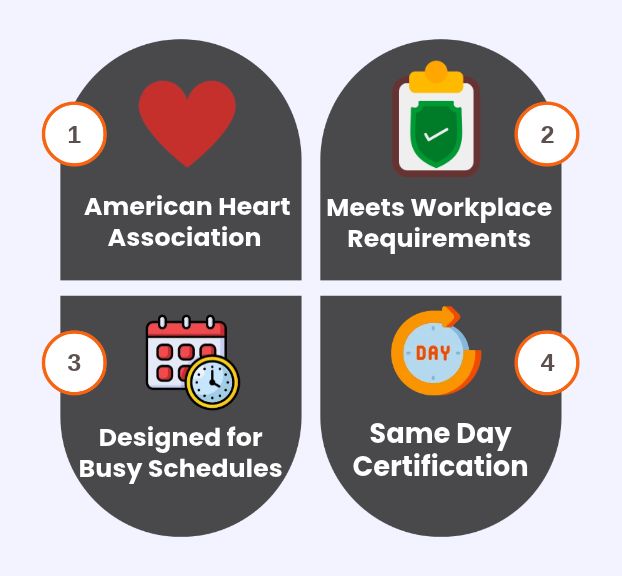
Get trained through an American Heart Association BLS Provider course designed for healthcare professionals. The certification provides the recognized BLS credential that employers and healthcare organizations frequently require.
BLS training addresses CPR, AED use, ventilation, choking response, and emergency recognition. These skills are directly applicable to physical therapists working with patients during rehabilitation and therapeutic exercise.
Busy clinic schedules should not make certification difficult. Choose from available class schedules that help you complete your BLS training without unnecessary disruption to your professional responsibilities.
BLS skills become easier to master when you have room to ask questions and practice. Our friendly learning environment encourages participants to build their skills without unnecessary pressure.
Need additional practice? Unlimited retakes give you more opportunities to work on your skills and successfully complete the required evaluation.
Complete your BLS, ACLS, or PALS online coursework


Stay ready for the unexpected with BLS certification from Utah CPR Classes. If your employer, clinical facility, or physical therapy program requires American Heart Association BLS, our healthcare-level training provides the essential skills needed for professionals involved in patient care.
Register today to earn or renew your BLS certification and strengthen your readiness to respond to cardiac arrest, breathing emergencies, sudden changes in a patient’s condition, and other critical situations that may occur during physical therapy practice.
ACLS is not a standard CPR requirement for physical therapists. A physical therapist should complete ACLS when a specific employer, healthcare facility, clinical program, or job role requires advanced cardiovascular life support training.
Yes. AHA BLS is designed for healthcare professionals and trained first responders who provide patient care. Heartsaver courses are intended primarily for people with little or no medical training who need CPR, AED, or first aid training.
AHA BLS provider cards have a two-year renewal period. Physical therapists should renew before their current credential expires and follow any earlier renewal deadline established by their employer, clinical site, or academic program.
AHA BLS Provider certification is the healthcare-level CPR course most directly suited to physical therapists who need a CPR credential for clinical or employment purposes. The course covers adult, child, and infant CPR, AED use, ventilation, and choking response.